
Following the finest anchovies
In the area of Santoña the anchovies production remains a hand-made labour-intensive endeavor. Juan Manuel Sanz/©ICEX
Author: Saúl Aparicio/©ICEX
As Spanish journalist Carlos Herrera once joked, the strong currents and wild waters of Spain's northern coast make the Bay of Biscay "a gymnasium for fish". And indeed, when Italian tradesmen first arrived in the area in the late 19th and early 20th centuries, searching for anchovies to replace the dried out fishing grounds of the Mediterranean, they found a strong, fatty, tasty and luscious anchovy quite unlike anything left in their traditional fishing grounds. The Italian merchants would eventually leave, but their know-how remained and even evolved. This made the coastline of Cantabria- scenic, cultural and gastronomic paradise aside- the site where some of the world’s finest anchovies are made.
Just for a second, if you will, think of an anchovy. Loved and hated by roughly equal amounts of people, and known to most as little more than a pizza topping, anchovies are not what one would readily think of as a gourmet food. Indeed, easy accessibility in supermarkets at reduced prices has drastically reduced our appreciation of a foodstuff whose production involves a long, complex and expensive process.
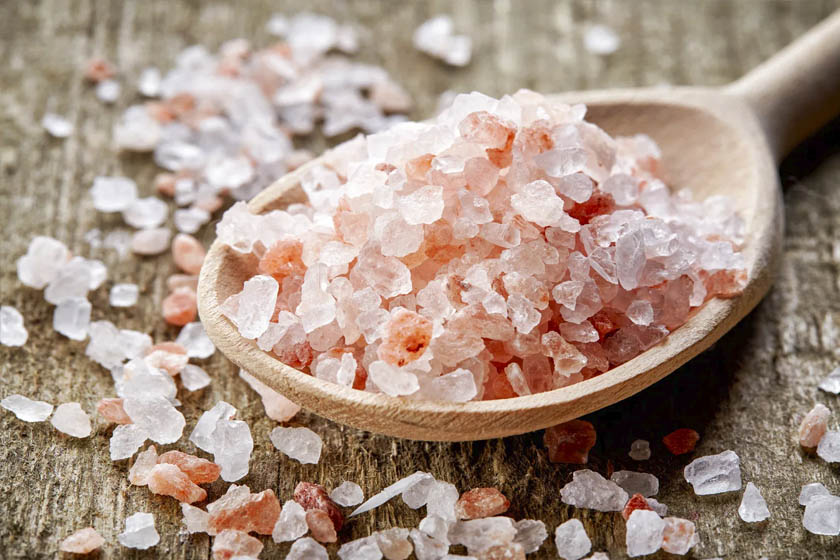
In the area where Santoña anchovies are made, in fact, it mostly remains a traditional, hand-made, labour-intensive endeavor. Anchovies are first aged, cured and dried in sea salt. Layers of anchovies are buried in coarse sea salt, canned, and matured for a period of at least 4 months and as much a year.
When mature, anchovies are briefly soaked in water to rinse out excess salt. Then, one by one and entirely by hand, each anchovy is opened up, de-boned, cleaned out, rid of skin, borders cut off to leave only the fillet, and laid into tins to be later pressed and submerged in oil.
This painstaking process explains the radical difference in price between top-notch anchovies and inferior products. Not only is the quality of the fish a factor, but also the know-how in the salting and ageing (anchovies will mature differently in barrels than in smaller cans, for instance) and the care in the final preparation and canning.
The Anchovy Heartland
The region of Cantabria, placed in the eastern part of the region known as Green Spain (which stretches along the northern coast from Galicia to the Basque country), is blessed with many culinary riches. The mountainous ridges and rolling hills of its interior are prime pastures for cows and sheep, its fertile river beds churn out outstanding vegetables and the sea that bathes its beaches is rich with fish and seafood.

The region's coast, from tip to tip and as the crow flies, is approximately 150 km / 93.2 mi, so trips along the coast are always a comfortable drive away. A good place to start, therefore, are the towns of Santoña and Laredo, the very hubs of anchovy production. Both are traditional fishing towns, and boast a handful of Romanesque churches in their pleasant town centers.
Just outside, however, the Marismas de Santoña y Noja- a wetland certified as a national preserve, home to over 120 species of birds through the year- and the beaches of Regatón, Puntal and Berria are all a delight. The two former are both part of the reserve, thus heavily protected, whereas the latter occupies the isthmus that connects Santoña to the mainland, and has spectacular views.
Onward to Santander
Although Santander, the capital of the region, waits, two temptations may detain us on the 40 minute drive there. The first is the promise of pure waters and relaxation at the Hotel Balneario Solares, the famed spa of the town of Solares. Originally founded in the late 1800s, the hotel and spa has been recently re-vamped and features state of the arts facilities and treatments.
A mere 6.4 km / 4 miles away, in Villaverde de Pontones, one of the region's quaintest Michelin-starred restaurants, El Cenador de Amós, is well worth a visit. In a deliciously reformed 18th century stately home, chef Jesús Sanchez is sure to surprise and delight with his inventive use of the traditional products of Cantabria. Furthermore, the upstairs ball room has been transformed into a small cooking school, where Sánchez offers an interesting array of competitively priced courses.
Once in Santander, the palace of La Magdalena and the museum of Prehistoric art are not to be missed. A walk along the city's beach of el Sardinero is always a pleasant pastime, and the feasting can continue in one of the town's many eateries. In Casa Lita, chef Joseba Guijarro has chosen to, after stints in Michelin starred restaurants, create a temple to the tapa.
Guijarro's knowledge of anchovies is truly encyclopedic, and some of the finest can be savored in his creative and tasty pinchos. Those interested in continuing the pincho exploration can move to area of the Puerto Chico, a popular place to tapear.
If the mood favors a sit-down meal of the highest caliber, however, El Serbal is a sure bet. Certainly among the finest eateries of the region, El Serbal's Fernando Sáinz de La Maza playful and elegant cooking earned its Michelin star in 2003, and continues to go strong.
The Western Coast

Although the western coast and Santoña have the fame and gave the name to Cantabria's anchovies, the tradition is also strong in the east. An excuse secured to continue the trip, Santillana del Mar is the first stop on the way. A beautifully preserved hub of medieval art and architecture, Santillana del Mar was once voted prettiest town in Spain. Its cobbled streets, palaces and churches are not the only attractions, since the UNESCO world heritage site of the Altamira caves are in the vicinity. Altamira has been called the Pre-Historic Sistine chapel, and indeed this Upper Paleolithic gem has some of the world's most exquisite cave paintings (Unesco describes it as "masterpieces of creative genius and as the humanity's earliest accomplished art").
Furthermore, the final stop in our tour is another comfortable drive away. San Vicente de La Barquera, a traditional fishing town and an important point of passage in the coastal St. James' Way (The path of pilgrimage to the final resting place of the Apostle St. James in Santiago de Compostela). Mirroring the beginning of the trip, San Vicente is surrounded by natural beauty, since the Natural park of Oyambre.
The richness of the waters in the Cantabria coastline and the estuary of the river San Vicente provide for the rich wildlife of the area, among which we can highlight a wide array of wading birds. Dunes and sandy beaches alternate along the coast with steep cliff faces, on top of which environmentally sustainable cattle farming has become the staple of the region.
The religious importance of the town is easily ascertained by the briefest of walks around the town centre, where medieval churches and a hospital were built to tend to the ailments (spiritual and physical) of the pilgrims. Traditional cooking is king in the town of San Vicente, but the outstanding quality of the region's produce means that eating in most of the town's seafood restaurants such as Boga Boga or Las Redes. And what better way to end the trip than sampling the goods that the generous coast of Cantabria can offer?
Saúl Aparicio is a Madrid-based freelance writer and translator.