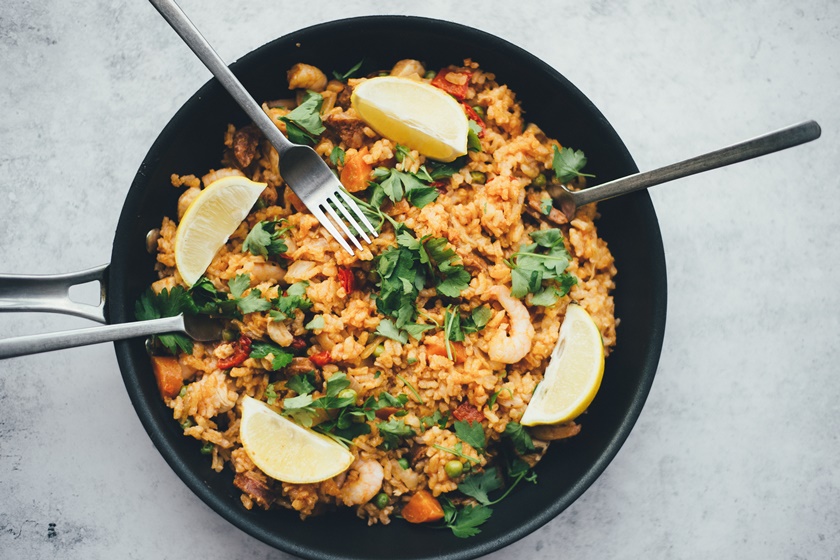

Dicen que hay pocos placeres mayores a poder disfrutar de una buena comida, y es que el hecho de consumir alimentos no es solo una forma de sobrevivir. La gastronomía ha convertido la necesidad en arte culinario, y cada vez son más las personas que tienen entre sus hobbies el salir simplemente a cenar a un buen restaurante. ¿Puede ser esto un verdadero entretenimiento? Para nosotros, por supuesto que sí. El placer que uno siente cuando prueba un buen plato, una receta nueva y original bien preparada, es perfectamente comparable con el que se da al practicar deporte o asistir a un concierto. Con el punto extra de que la alimentación afecta química y metabólicamente a nuestro cuerpo, permitiéndonos desarrollar el sentido del gusto, uno de los más olvidados. Comer es un placer, pero también es una herramienta para conseguir tener una vida más sana, especialmente cuando llevamos una buena dieta.
Al ver esta palabra, la mayoría se pone a temblar y piensa solo en comer menos, o incluso en comer peor, cuando en realidad es todo lo contrario. La dieta siempre se ha relacionado con lo que realmente es un régimen, un tipo de alimentación restrictiva donde se busca, por encima de todo, bajar de peso. Y ese no debería ser el objetivo de ninguna dieta, al menos no el principal, puesto que este tipo de planes están para que aprendamos a comer de forma sana y equilibrada. No es lógico que estemos un mes prácticamente ayunando durante todo el día, dejando fuera alimentos perfectamente saludables, para perder diez kilos que seguramente volverán cuando dejemos ese régimen. Porque este tipo de planes no son saludables, sino tremendamente restrictivos. Las dietas, en realidad, están para mantenernos en forma, para darnos toda la energía que necesitamos a través de los alimentos, en una estructura sana y equilibrada. Por eso una dieta no debe ser algo que escojamos hasta conseguir llegar a nuestro peso ideal, sino una proyección, un plan de futuro que podamos mantener toda la vida incluso. Estar en forma es importante, y las trabajadoras sexuales lo necesitan para darlo todo en su trabajo y conseguir más clientes. Por eso conocen muy bien cuáles son las mejores dietas para su trabajo.
Lee más